Alexa+ vs Gemini vs Siri: AI Smart Speakers Compared for Sri Lankan Homes
Voice assistants are getting a generative AI upgrade. How Alexa+, Gemini for Home and Siri compare, what works in Sri Lanka today, and which smart speaker to buy.
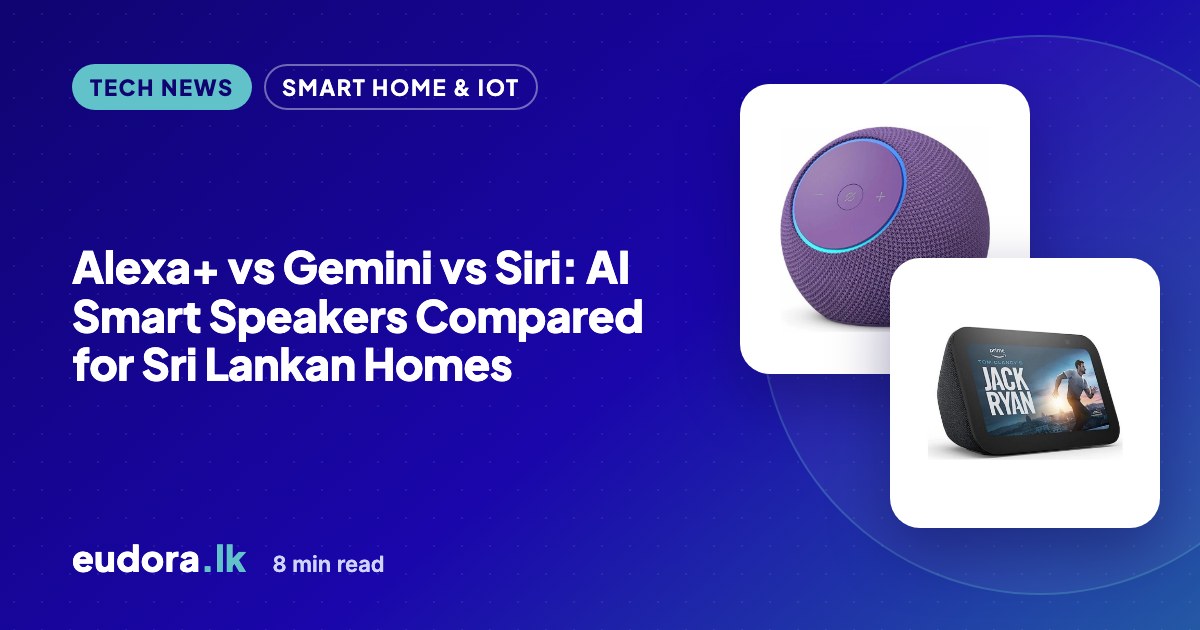
Smart speakers are going through their biggest change since they appeared. The old voice assistants could set timers, play music and switch on a light, but stumbled on anything more natural. In 2025 and 2026 Amazon, Google and Apple began replacing them with assistants built on large language models, the same kind of AI behind ChatGPT. Amazon calls its version Alexa+, Google is bringing Gemini to its Nest speakers, and Apple is rebuilding Siri around Apple Intelligence. This guide compares the three, explains what actually works in Sri Lanka today, and helps you choose a speaker that will keep improving.
Key points
- Alexa+ understands natural conversation and can handle multi-step requests, but in November 2026 it is offered in 13 countries, not including Sri Lanka.
- Echo speakers bought in Sri Lanka work with the standard Alexa in English, which remains reliable for music, timers, news and smart home control.
- Google is replacing Google Assistant with Gemini on phones and Nest devices; Apple’s improved Siri depends on newer iPhones and HomePods.
- For most Sri Lankan homes, an Echo is still the most practical smart speaker for controlling lights, plugs and cameras.
What changes with AI voice assistants
Classic assistants match your words against a list of commands. Say it slightly differently and they fail. AI assistants understand meaning, remember the conversation and can combine steps. Instead of “turn on living room light” followed by “set temperature”, you can say “it’s getting dark and warm in here” and the assistant works out what to do, if your devices support it.
| Ability | Classic assistant | AI assistant |
|---|---|---|
| Understanding casual speech | Limited | Much better |
| Follow-up questions | Often forgets context | Remembers the conversation |
| Multi-step requests | Needs routines set up in the app | Can combine steps from one request |
| General knowledge answers | Short web snippets | Fuller, conversational answers |
| Reliability for simple commands | Very reliable | Good, still improving |
The three compared
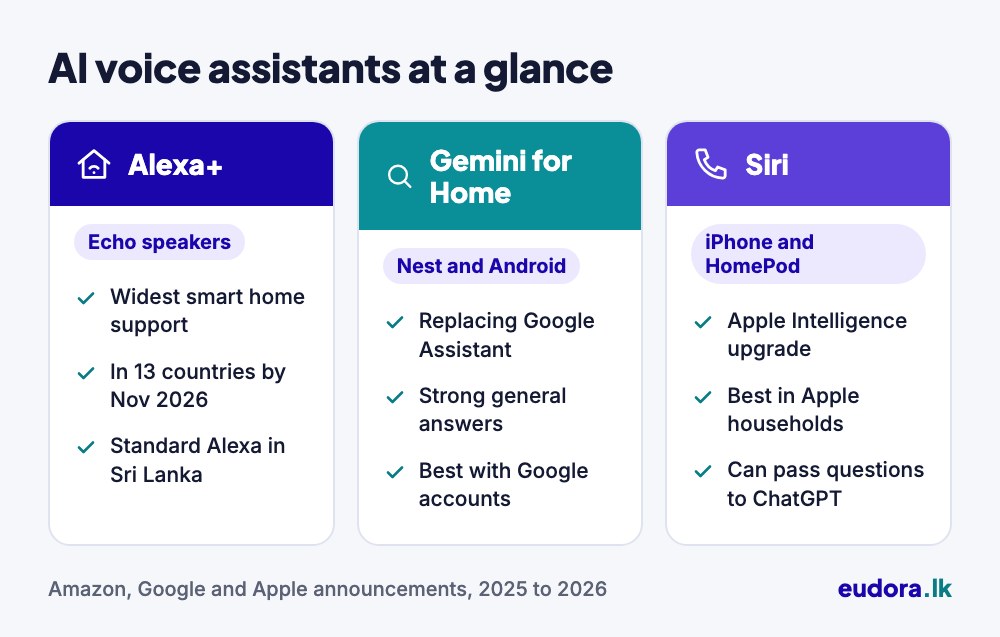
| Feature | Alexa+ | Gemini for Home | Siri with Apple Intelligence |
|---|---|---|---|
| Speakers | Amazon Echo range | Google Nest speakers and displays | Apple HomePod |
| Phone app | Alexa app (iPhone and Android) | Google Home and Gemini apps | Built into iPhone |
| Smart home devices supported | Very wide, including Matter | Wide, including Matter | Apple Home and Matter devices |
| Cost model | Free with Prime where launched; monthly fee otherwise | Basic features free; advanced features with a Google subscription | Included with supported Apple devices |
| Available in Sri Lanka | Not yet (standard Alexa works in English) | Depends on Google’s regional rollout | Depends on device and language settings |
Availability is the key point for Sri Lanka. Amazon lists Alexa+ in the United States, the United Kingdom, Canada, Mexico, India, Italy, Spain, Germany, Austria, Brazil, France, Australia and Japan, and says it plans to reach more than ten additional countries in 2027. Sri Lanka is not on the list yet. Echo speakers here use the standard Alexa, set to English, and they work well for everyday tasks.
What works in Sri Lanka today
An Echo speaker bought locally connects to your Wi-Fi and the Alexa app, usually with the account region set to India or another supported country. It handles music from supported services, alarms, reminders, questions, news and, most usefully, smart home control: lights, plugs, cameras and doorbells from brands that support Alexa.
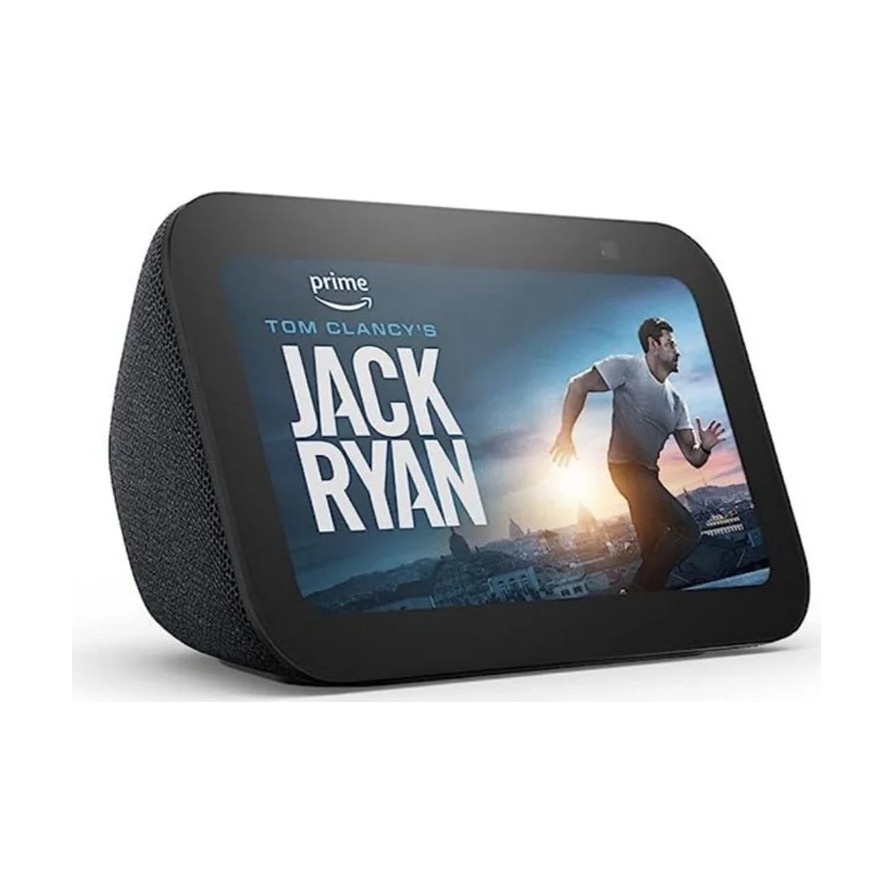
- Voice control of Matter and Alexa-compatible lights and plugs.
- Viewing compatible cameras and doorbells on an Echo Show screen.
- Routines such as switching off all lights at bedtime.
- English voice commands; Sinhala and Tamil are not supported as voice languages.
Our comparison of the Echo Dot and Echo Show explains which model suits which room, and our guide to the Matter smart home standard explains how devices from different brands work together.
Gemini and Siri for Android and iPhone users
If your household mostly uses Android phones, Gemini is already the AI assistant in your pocket, and Google is extending it to Nest speakers and displays. If you use iPhones, Siri is being upgraded with Apple Intelligence on newer models, and it can hand some questions to ChatGPT if you allow it. In both cases the phone assistant is arguably more useful than a speaker for AI conversations, while a speaker is better for hands-free control at home.
Note: Google Nest and Apple HomePod speakers are not widely sold in Sri Lanka with local warranty. Echo devices are easier to buy and support here.
Everyday things worth asking
People who get the most from a smart speaker use it for small, frequent jobs rather than long conversations. In a typical Sri Lankan home that means alarms for school mornings, timers while cooking rice or curry, reminders to take medicine or pay a bill, the weather before leaving for work, and playing music or the news while getting ready. With smart plugs and bulbs, the speaker becomes a light switch you can use with wet hands or from bed.
- “Set a timer for twenty minutes.”
- “Remind me at seven to pay the electricity bill.”
- “Turn off all the lights.”
- “Show the front gate camera.” (on an Echo Show)
- “Play relaxing music in the bedroom.”
Helping older relatives and people with limited mobility
Voice control is genuinely helpful for elderly parents and anyone who finds phones fiddly. A speaker can call family members through the Alexa app, announce reminders, read the time aloud and switch lights on at night without anyone walking to a switch. An Echo Show adds video calls on a simple screen, which many grandparents find easier than a smartphone. Set it up with large, clear device names, such as “bedroom light”, and keep the list of commands short at first.
In a shop or small office
Smart speakers have modest business uses: background music, timers in a kitchen or salon, and switching signage lights on a schedule through smart plugs. Avoid linking them to accounts with payment details in a public space, turn off voice purchasing, and remember that anyone in the room can talk to the speaker.
Privacy and microphones
All smart speakers listen for their wake word and only send audio to the cloud after hearing it, according to the manufacturers. AI assistants process more of what you say to give better answers, so check the privacy settings.
- Review voice history in the Alexa, Google Home or Apple settings and turn on automatic deletion.
- Use the microphone off button during private conversations.
- Turn on voice recognition so purchases and personal information need a known voice.
- Keep the speaker on a separate guest network if your router supports it.
Sound quality and placement
The speaker’s size decides how good music sounds. A small Echo Dot is fine for voice, radio and background music in a bedroom or kitchen; a larger speaker such as the Echo Dot Max fills a living room better. Place speakers away from walls and corners for clearer sound, and away from fans and kitchen noise so they hear your voice. In large rooms, the far-field microphones in Echo devices pick up commands from across the room, but a speaker on a shelf at head height works better than one tucked behind a television.
You can pair two speakers of the same model as a stereo pair, or group speakers in different rooms to play the same music throughout the house, which is popular for family gatherings.
Which speaker should you buy?
| Your home | Our suggestion |
|---|---|
| First smart speaker, mostly music and timers | Echo Dot (5th Gen) |
| Better sound for a living room | Echo Dot Max |
| Want to see cameras, recipes and video calls | Echo Show 5 |
| Whole-home control in several rooms | An Echo in each main room |
| All-Apple household with HomeKit devices | Consider HomePod if available with warranty |
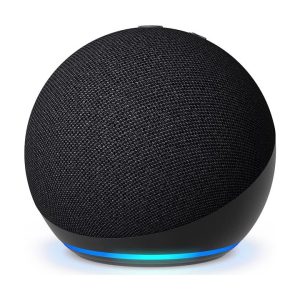
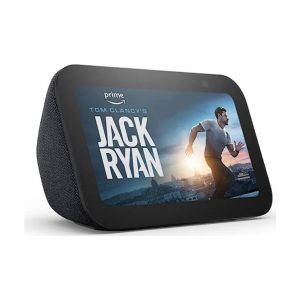
Two Echo Dot speakers for a bedroom and living room cost Rs 38,000. An Echo Show 5 with our smart device setup, which covers Wi-Fi, the Alexa app and linking your devices, is Rs 31,500. When Alexa+ arrives in Sri Lanka, current Echo devices are expected to support it, so buying now is not wasted.
Making voice control reliable at home
Most smart speaker frustrations are actually Wi-Fi problems. Speakers need a steady 2.4GHz or 5GHz connection, and smart plugs and bulbs usually need 2.4GHz. A router in one corner of a two-storey house often leaves upstairs rooms weak. Our guides to 2.4GHz and 5GHz Wi-Fi for smart devices and mesh Wi-Fi explain how to fix it.
Power cuts matter too: a speaker and router on a small UPS keep working through short outages, so voice control and camera viewing continue. For complete setup, our smart home team can plan speakers, lights and cameras together.
Frequently asked questions
Is Alexa+ available in Sri Lanka?
Not as of November 2026. Amazon offers Alexa+ in 13 countries and plans more in 2027. Echo devices in Sri Lanka use the standard Alexa in English.
Will my Echo Dot get Alexa+ later?
Amazon has made Alexa+ available on most recent Echo devices in launch countries, so current models are expected to be supported when it reaches more countries.
Can Alexa understand Sinhala or Tamil?
Not as voice languages at present. Use English voice commands; device names can be set to simple English words.
Is Gemini replacing Google Assistant?
Yes. Google is replacing Google Assistant with Gemini on phones and bringing Gemini to its home speakers and displays.
Which smart speaker is best for controlling CCTV cameras?
An Echo Show, because its screen can display live views from compatible cameras such as many EZVIZ models.

Eudora Technology is a Kandy-based team working on CCTV, networks, IT support, cloud and websites for homes and businesses across Sri Lanka.